Every piece of myrrh tells a story.
Not just of scent and smoke – but of land, tradition, family, and survival.
At Sacred Harvests, we believe you should know where what you’re burning comes from. Not in a vague, marketing way – but in a real, human way.
So today, we want to take you on a journey.
From a wild tree in northern Kenya…
to a quiet ritual in your home.
Where Our Myrrh Begins
Northern Kenya is vast, rugged, and breathtaking.
It’s a land of wide skies, red earth, ancient trees, and resilient people.
This is where wild Commiphora trees grow – the natural source of true myrrh resin. These trees thrive in dry, harsh climates, clinging to rocky soil, shaped by sun and wind.
For generations, local villagers have harvested resin from these trees using careful, traditional methods passed down through families.
This is not industrial farming.
There are no plantations.
No machines.
No chemicals.
Just people, trees, patience, and deep knowledge of the land.
How Myrrh Is Harvested (The Traditional Way)
Harvesting myrrh is slow, deliberate work.
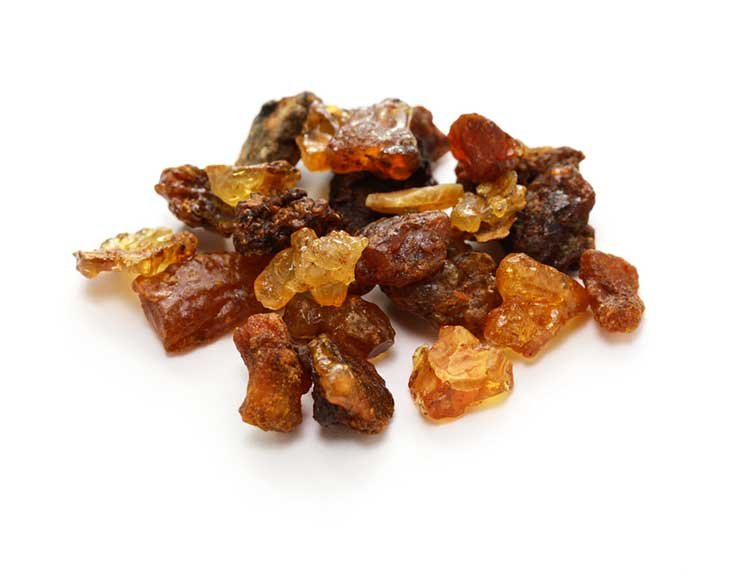
Small cuts are gently made in the bark of the tree, allowing resin to naturally seep out. Over several days, the resin hardens into small golden-brown tears — glistening in the sun.
Each piece is gathered by hand.
This process protects the tree, allowing it to heal and continue producing resin year after year. Done correctly, it is a sustainable, regenerative practice that preserves both the trees and the livelihoods of the people who depend on them.
Nothing is rushed.
Because nature can’t be rushed.
Why This Work Matters So Much to Local Families
In many parts of northern Kenya, economic opportunities are limited.
Myrrh harvesting provides essential income for families, helping pay for:
• Food
• Medical care
• School supplies
• Clean water
• Livestock
When you purchase ethically sourced myrrh, you’re not just buying incense.
You’re supporting entire communities.
You’re helping preserve ancient traditions that are at risk of disappearing in a modern world dominated by mass production.
And most importantly, you’re helping families maintain independence, dignity, and cultural identity.
The Difference Ethical Sourcing Makes
Most commercial myrrh is bought through massive brokers who pay rock-bottom prices to harvesters.
The result?
Low wages.
Unsafe harvesting practices.
Over-tapped trees.
Environmental damage.
Sacred Harvests works directly with local suppliers who prioritize:
✔ Fair pay
✔ Sustainable harvesting
✔ Small-batch collection
✔ Environmental stewardship
This ensures that everyone involved – from harvester to end customer – benefits.
No exploitation.
No shortcuts.
No hidden supply chains.
Just honest trade.
From Kenya to You – Without Sitting in Warehouses
One of the biggest problems with commercial myrrh is time.
Most resin spends months – sometimes over a year – sitting in warehouses before being sold.
By the time it reaches your home, much of its potency is gone.
Sacred Harvests operates on a radically different model:
• Small harvest batches
• Minimal storage
• Rapid shipping
• Fresh resin delivery
This means your myrrh arrives alive with aroma, oils, and energetic presence.
Freshness is everything.
More Than Incense – A Living Tradition
When you burn Sacred Harvests myrrh, you’re participating in a ritual that spans thousands of years.
You’re connecting your home…
to ancient forests
to desert villages
to sacred ceremonies
to human hands
It is a living bridge between worlds.
And that connection – that awareness – transforms a simple moment of burning resin into something far deeper.
Why We Started Sacred Harvests
Sacred Harvests was born from a simple belief:
Sacred traditions deserve sacred sourcing.
We wanted to create a company that honored:
• The land
• The people
• The ritual
• The customer
No hype.
No exploitation.
No shortcuts.
Just beautiful, honest products rooted in respect.
When You Burn Myrrh, You Carry the Story Forward
Every time you light myrrh, you continue a lineage of reverence.
A lineage that reminds us to slow down.
To breathe.
To honor the invisible threads that connect us all.
From tree…
to hand…
to home.
That is the sacred harvest.